

The ‘Gatekeeper’ Era is Over: Why In-House Accreditation is the New Competitive Advantage

For decades, the path to a designer’s heart, and their project specifications, has run through a very specific, very slow-moving gatekeeper. If you’re an A&D Relations Director in the hospitality sector, you know exactly what I’m talking about. You have a brilliant new product, a fresh perspective on sustainability, or a revolutionary manufacturing process. You want to turn that expertise into a Continuing Education Unit (CEU) so you can get in front of architects and designers.
But then, the “Gatekeeper” era kicks in. You hire an outside agency. You wait weeks for a discovery call. You wait months for content creation. You wait even longer for the accreditation bodies (AIA, IDCEC, etc.) to give the thumbs up because the agency is juggling fifty other clients. By the time your CEU is “ready,” your product launch is old news, and your competitors have already filled the lunch-and-learn slots for the quarter.
The truth is, the world has changed, but the way we handle CEUs hasn’t, until now. We are officially entering the era of In-House Accreditation, and for brands that want to win, it’s the ultimate competitive advantage.
The Death of the Middleman
Historically, brands relied on external agencies for accreditation because the process felt like a dark art. There were specific forms, rigid formatting rules, and a “know-who” culture that made it feel impossible to do yourself. These agencies acted as gatekeepers, charging a premium not just for their expertise, but for the “privilege” of access.
But here’s the thing: those walls are crumbling. The digital transformation of the A&D industry means that transparency is at an all-time high. The criteria for what makes a quality educational program are no longer a secret. When you rely on a middleman, you aren’t just paying a fee; you are paying a “speed tax.” You are literally paying to move slower.
In-house accreditation allows you to bypass the queue. Instead of being “Client #42” in an agency’s project management software, your CEU becomes a core part of your internal marketing and sales engine.
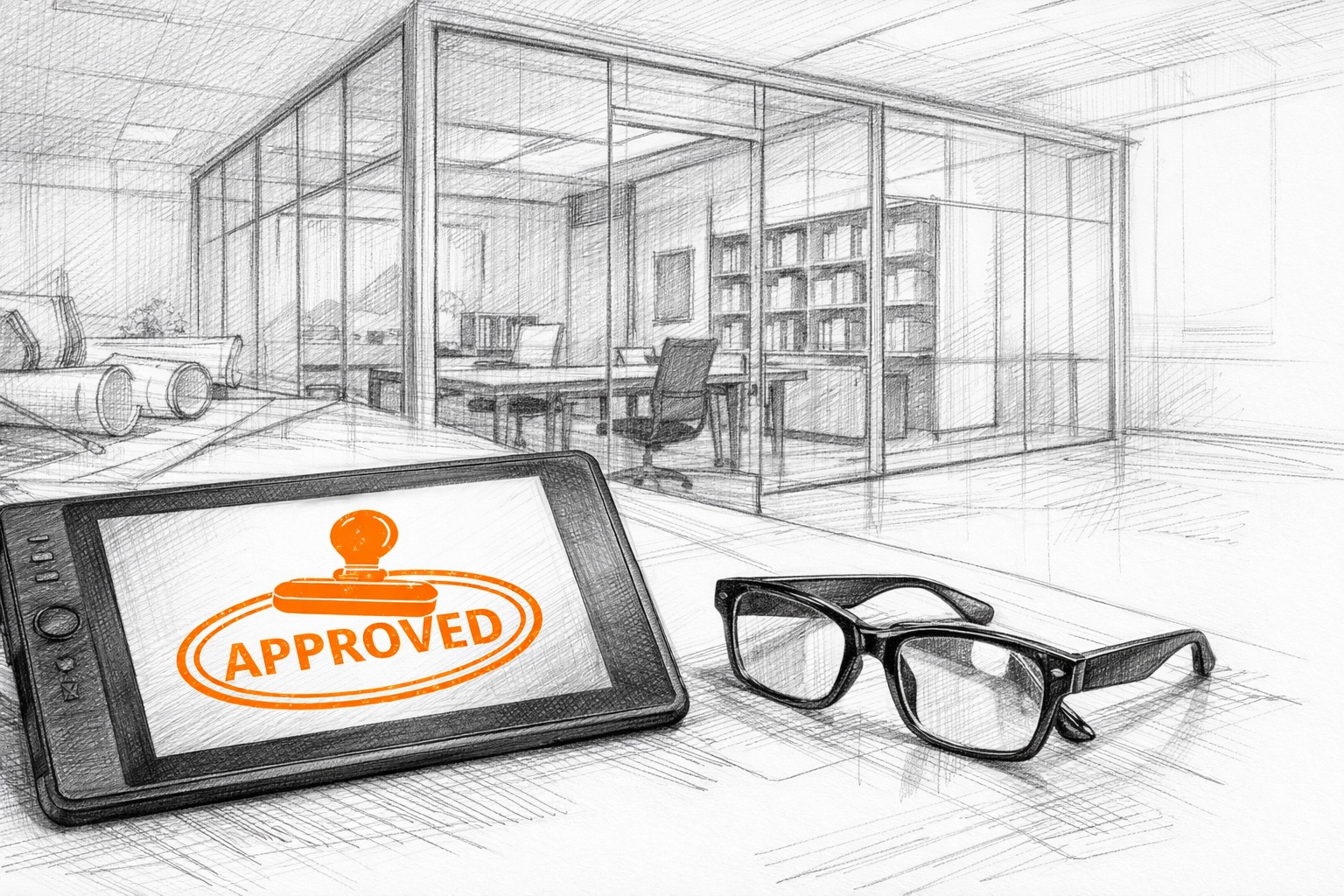
Speed: The Only Currency That Matters
In the hospitality world, design cycles are getting shorter. A brand that can produce a relevant, accredited CEU in response to a market trend (like new health and safety standards or a specific shift in boutique hotel aesthetics) will always beat the brand that takes six months to get their content through an external agency’s pipeline.
When you bring your accreditation process in-house, supported by the right tools, you go from “concept to classroom” in a fraction of the time. Imagine having a conversation with your product team on Monday about a new acoustic material, drafting the educational content by Friday, and having it submitted for accreditation by the following Tuesday.
That kind of agility is impossible in the gatekeeper model. By the time an outside agency understands the nuances of your new product, you could have already presented it to three major firms. Speed isn’t just about being fast; it’s about being relevant. If you want to see how this looks in practice, check out our guide on CEU-ready content.
Ownership and Content Sovereignty
There is a massive difference between “buying” a CEU from an agency and “owning” your educational platform. When an agency handles your accreditation, they often hold the keys to the kingdom. If you want to update a slide, change a speaker, or pivot the focus of the course, you have to go back through them.
In-house accreditation gives you content sovereignty. You own the narrative. You own the data. Most importantly, you own the relationship with the accreditation bodies.
This ownership allows for a level of brand consistency that external agencies rarely match. Your A&D Relations team knows your brand’s voice better than any freelancer an agency might hire. When the accreditation process is handled internally, the educational content feels like a natural extension of your brand, not a disconnected academic exercise.
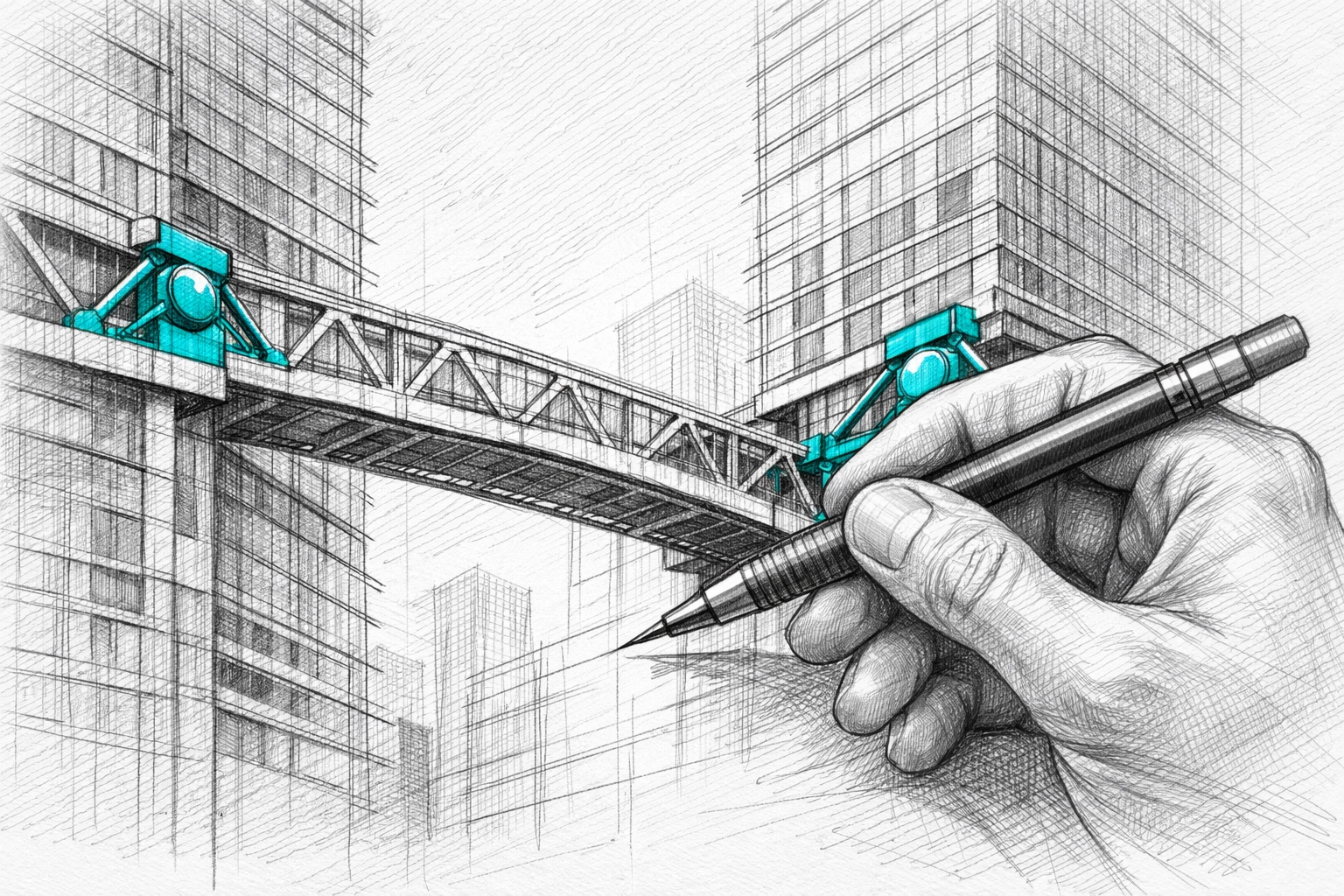
Turning Education into a Sales Engine
Let’s be honest: the goal of a CEU isn’t just to educate; it’s to build relationships that lead to specifications. In the gatekeeper era, the focus was often just on “getting the credit approved.” It was a checkbox exercise.
When you take accreditation in-house, the focus shifts. You start to see the CEU as a strategic tool. You can tailor your educational offerings to the specific needs of the firms you are targeting. You can create “micro-CEUs” or modular content that addresses immediate pain points in the industry.
This is where the competitive advantage really kicks in. While your competitors are delivering the same “Acoustics 101” presentation they’ve used since 2019, your team is delivering fresh, in-house accredited content that addresses the exact challenges designers are facing today. You aren’t just another salesperson; you are an indispensable resource.
The Cost Efficiency of In-House Models
We can’t talk about competitive advantage without talking about the bottom line. The agency model is expensive. Between retainer fees, project fees, and the markups on accreditation submissions, the costs add up quickly.
When you move to an in-house model, leveraging a platform like CEU Builder, the ROI shifts dramatically. You aren’t paying for someone else’s overhead. You’re investing in your own team’s capabilities.
Think about the long-term value:
- Lower Cost Per Credit: Once your internal system is set up, the marginal cost of accrediting your second, third, or tenth course drops significantly.
- Elimination of “Update Fees”: Need to change a photo or update a statistic? Do it yourself in minutes rather than paying an agency for a “revision cycle.”
- Scalability: You can empower more members of your team to become experts in the educational space, spreading the load and increasing your reach.
Why Now? The Tech is Ready
The reason the “Gatekeeper” era lasted as long as it did was that the administrative burden of accreditation was legitimately high. Managing certificates, tracking attendance, reporting hours to the AIA or IDCEC, and keeping up with changing regulations was a full-time job.
But technology has caught up. The administrative “heavy lifting” can now be automated. At CEU Builder, we’ve seen firsthand how A&D Directors are using our tools to manage the entire lifecycle of their CEUs without needing an army of consultants.
When the paperwork is automated, your team is free to do what they do best: build relationships and provide value to designers. The barrier to entry for in-house accreditation has never been lower.
Embracing the New Standard
The move away from the gatekeeper model isn’t just a trend; it’s a structural shift in how the hospitality and design industries operate. Architects and designers are more discerning than ever. They can smell “canned” agency content from a mile away. They want authentic, expert-led education that comes directly from the source.
By bringing accreditation in-house, you aren’t just saving money or time: though you’ll do both. You are signaling to the market that you are a leader, not a follower. You are showing that you have the expertise to educate the industry on your own terms.
The gatekeepers are losing their power. The question is: are you ready to take the keys?
If you’re ready to stop waiting on agencies and start leading with education, it’s time to look at how an in-house model can transform your A&D strategy. The competitive advantage is yours for the taking.
For more insights on optimizing your CEU strategy, explore our full blog archive or see how we help brands navigate this transition every day at ceubuilder.com.
