

2026 continuing education strategies to influence specs

Hospitality manufacturers invest heavily in trade shows and sales calls, yet struggle to influence the architects who ultimately specify their products into projects. Continuing education offers a proven pathway to engage design professionals during critical early project phases, but most manufacturers either avoid CE programs entirely or execute them poorly. This guide reveals actionable 2026 strategies for creating accredited courses that drive specifications, combining digital targeting with live engagement to maximize ROI. You’ll learn how to select hospitality-relevant topics, earn proper accreditation, deploy blended outreach methods, and track measurable specification rate improvements.
Table of Contents
- Understanding The Challenges In Architect Engagement And Ce Influence
- Preparing With The Right Continuing Education Content And Accreditation
- Executing Targeted Outreach With Blended Digital And Live Approaches
- Verifying Impact: Tracking Roi And Optimizing Your Continuing Education Strategy
- Enhance Your Architect Engagement With Ceu Builder Solutions
Key takeaways
| Point | Details |
|---|---|
| Prioritize AIA HSW accreditation | Focus on hospitality-specific topics like acoustic performance, energy efficiency, and material durability that architects actively search for and need to specify correctly |
| Deploy blended digital and live outreach | Combine email campaigns and paid media with lunch-learn events to reach architects during early design phases when specification preferences form |
| Track specification rate changes | Measure CE program success by monitoring how many architects who complete courses subsequently specify your products into hospitality projects |
| Select topics architects value | Choose content tied to building codes, sustainability requirements, and design challenges architects face in hotel, restaurant, and senior living projects |
Understanding the challenges in architect engagement and CE influence
Architects control billions in annual hospitality product specifications, yet reaching them effectively remains frustratingly difficult for manufacturers. Design professionals are selective about which continuing education courses they attend, prioritizing architect engagement requires targeted CE accredited programs that deliver genuine learning value rather than thinly disguised product pitches. This selectivity creates a high barrier for manufacturers attempting to influence specification decisions through educational content.
Timing compounds the challenge. Specification preferences form during early project ideation phases, often months before manufacturers learn about active opportunities. Traditional sales approaches react to projects already in progress, when architects have typically established their material and product selections. Continuing education positions manufacturers proactively, building preference structures before specific projects begin. This requires engaging architects through continuing education that reaches them during their ongoing professional development rather than during active procurement.
Competing for architect attention presents additional obstacles:
- Design professionals receive dozens of CE invitations monthly from competing manufacturers
- Architects prioritize courses offering credits that fulfill specific licensing requirements
- Generic product training fails to qualify for professional development credit
- Measuring whether CE attendance translates to specification changes requires sophisticated tracking
The measurement complexity deserves particular attention. Unlike direct response marketing where conversions happen immediately, CE influence operates over extended timeframes. An architect who completes your course in March might not specify your products until October when they begin a relevant hotel project. Connecting these dots demands tracking infrastructure that most manufacturers lack, making ROI verification difficult and program optimization nearly impossible.
“Architects remember manufacturers who taught them something valuable when selecting products months later, but quantifying this influence requires tracking specification rate changes before and after CE program launches.”
These challenges explain why many hospitality manufacturers avoid continuing education entirely, defaulting to traditional sales methods despite their limitations. The manufacturers who overcome these obstacles gain significant competitive advantages through educational positioning that competitors cannot easily replicate.
Preparing with the right continuing education content and accreditation
Successful architect engagement through CE begins with selecting content that meets both accreditation standards and architect learning needs. Prioritize AIA HSW-accredited hospitality-relevant CE covering topics like acoustic ceilings, fire-rated doors, and energy-efficient lighting that architects must specify correctly to meet building codes and project requirements. Generic product overviews fail to qualify for professional development credit, while overly technical content alienates architects seeking practical specification guidance.
Accreditation determines whether architects can claim professional development credit for attending your courses. Without proper credentials from organizations like AIA or IDCEC, your educational content remains valuable but fails to fulfill the continuing education requirements that motivate architect participation. This accreditation gap dramatically reduces attendance because design professionals prioritize courses that count toward their annual license renewal obligations.
The step-by-step accreditation guide reveals the specific requirements for earning IDCEC provider status, but the process typically requires 90 to 180 days without expert guidance. Manufacturers attempting DIY accreditation often face rejection due to incomplete learning objectives, inadequate bibliographies, or exam questions that fail to test comprehension appropriately. Each rejection adds months to your timeline and thousands in wasted internal resource costs.
Content selection should focus on topics where your products solve specific hospitality design challenges:
- Acoustic performance in open-plan restaurant environments
- Durability requirements for high-traffic hotel lobby furnishings
- Fire safety compliance in senior living facilities
- Sustainable material selection for LEED-certified projects
- Lighting design for guest room comfort and energy efficiency
Pro Tip: Survey your existing architect customers about which technical topics cause them the most specification uncertainty. These knowledge gaps represent ideal CE course opportunities where your expertise delivers genuine value while positioning your products as solutions.
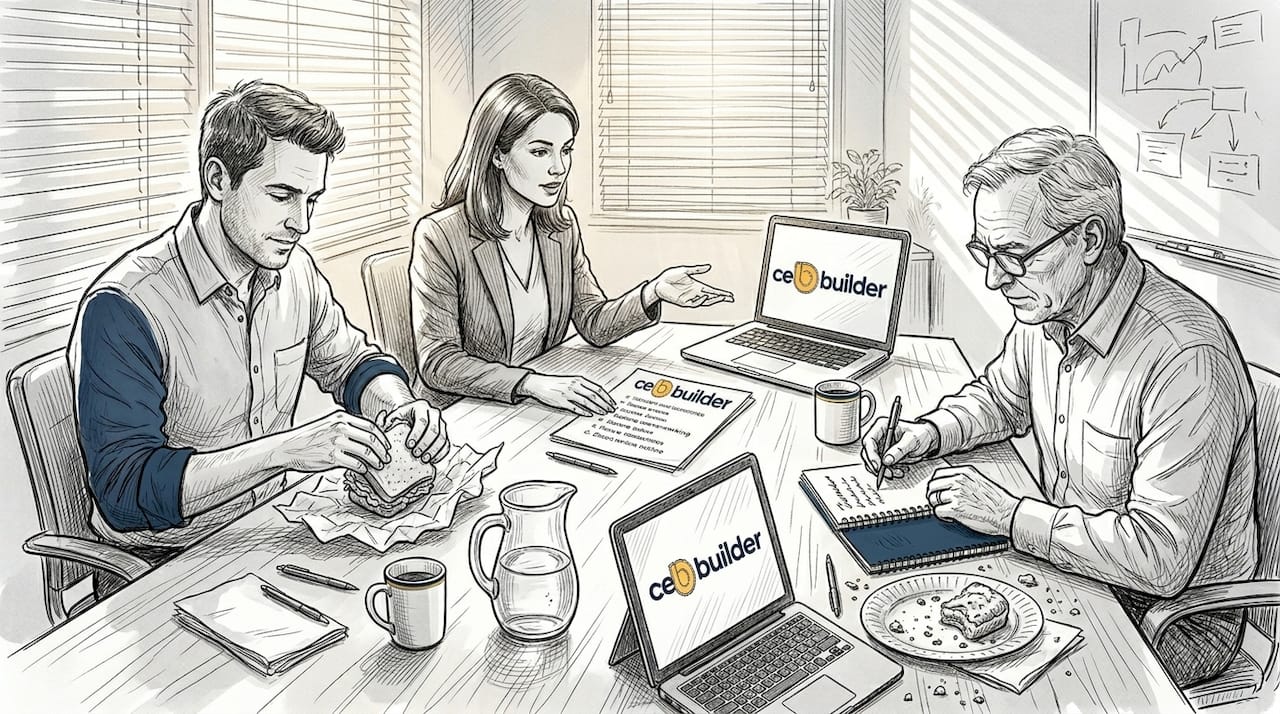
Lunch-learn formats provide particularly effective engagement mechanisms for hospitality manufacturers. These 45 to 60 minute sessions combine convenient scheduling with face-to-face interaction, allowing architects to ask questions and explore application details that written materials cannot address. The interactive format builds relationships beyond simple information transfer, creating personal connections that influence future specification decisions.
Tracking ROI requires establishing baseline specification rates before launching CE programs, then monitoring changes after architects complete your courses. The following table illustrates key metrics to measure:
| Metric | Measurement Method | Target Improvement |
|---|---|---|
| Specification rate | Percentage of course attendees who later specify products | 15-25% increase within 12 months |
| Average project value | Revenue per specification from CE-educated architects | 20-30% higher than cold outreach |
| Sales cycle length | Time from first contact to specification | 30-40% reduction |
| Repeat specifications | Architects who specify multiple times after CE | 2-3x higher than non-attendees |
The IDCEC accreditation checklist ensures your content meets all technical requirements before submission, reducing rejection risk and accelerating time to market. Every element from learning objectives through exam questions must align with accreditation standards while delivering practical value architects can apply immediately to active projects.
Executing targeted outreach with blended digital and live approaches
Digital marketing enables precise targeting of architects during early project phases when specification preferences form. Email campaigns promoting upcoming lunch-learn events reach design professionals at their desks, while paid media on platforms like LinkedIn targets architects based on firm size, project types, and geographic markets. This digital foundation combines with email and paid media to boost live event attendance and extend educational reach beyond physical geography.
The most effective outreach strategies blend digital convenience with live interaction:
- Launch email sequences three weeks before lunch-learn events, highlighting specific learning outcomes and accreditation credits
- Deploy LinkedIn ads targeting architects at firms working on hospitality projects in your target markets
- Provide on-demand video access for architects unable to attend live sessions, extending reach to remote markets
- Offer downloadable BIM files and specification guides as follow-up resources that keep your products top of mind
- Schedule follow-up emails sharing additional resources and case studies from projects similar to attendees’ current work
Digital tools complement rather than replace live engagement. Architects value face-to-face interaction for asking nuanced questions about product applications, but appreciate digital access for reviewing content at their own pace. The combination creates multiple touchpoints that reinforce learning and build familiarity with your brand and product portfolio.
Pro Tip: Gate your best digital resources behind simple registration forms that capture architect contact information, project interests, and timeline. This data enables precise follow-up targeting when architects move from learning mode to active specification.
The offering CEU courses effectively requires infrastructure supporting both delivery formats. Your platform must handle live event registration, track attendance for accreditation reporting, deliver on-demand video, and generate certificates automatically. Without these technical capabilities, administrative burden overwhelms the educational value you’re trying to create.
Comparing digital-only versus blended approaches reveals important trade-offs:
| Approach | Advantages | Limitations | Best Use Case |
|---|---|---|---|
| Digital-only | Unlimited geographic reach, lower delivery cost, self-paced learning | No personal interaction, lower completion rates, minimal relationship building | Broad awareness campaigns, technical reference content |
| Live-only | Strong relationships, immediate Q&A, higher engagement | Geographic constraints, scheduling conflicts, higher cost per attendee | Local market penetration, high-value architect segments |
| Blended | Combines relationship building with scalability, accommodates diverse preferences | Requires more complex infrastructure, higher initial setup cost | Comprehensive programs targeting specification influence |
The top continuing education tools comparison helps you select platforms supporting your chosen delivery model. Essential features include accreditation tracking, automated certificate generation, CRM integration for lead management, and analytics showing which architects engage with which content topics.
Targeting architects during early ideation phases requires understanding their project workflows. Design professionals begin researching materials and products 6 to 12 months before formal specification documents get created. Your CE outreach must reach them during this research phase, not during procurement when decisions are essentially final. Email nurture sequences can deliver educational content progressively, building expertise and preference over time rather than demanding immediate specification commitments.
Verifying impact: tracking ROI and optimizing your continuing education strategy
Measuring CE effectiveness requires connecting course completions to subsequent specification decisions. Track ROI via spec rates by monitoring which architects who completed your courses later specified your products into hospitality projects. This verification separates educational theater from genuine business impact, revealing which topics and delivery formats actually influence architect behavior versus simply generating attendance numbers.
Establishing measurement infrastructure before launching CE programs enables accurate before-and-after comparisons. Baseline your current specification rates among architects who have never attended your courses, then track changes as educated architects move through their project pipelines. The lag time between course completion and specification opportunity means meaningful data often requires 6 to 12 months to accumulate, demanding patience and consistent tracking.
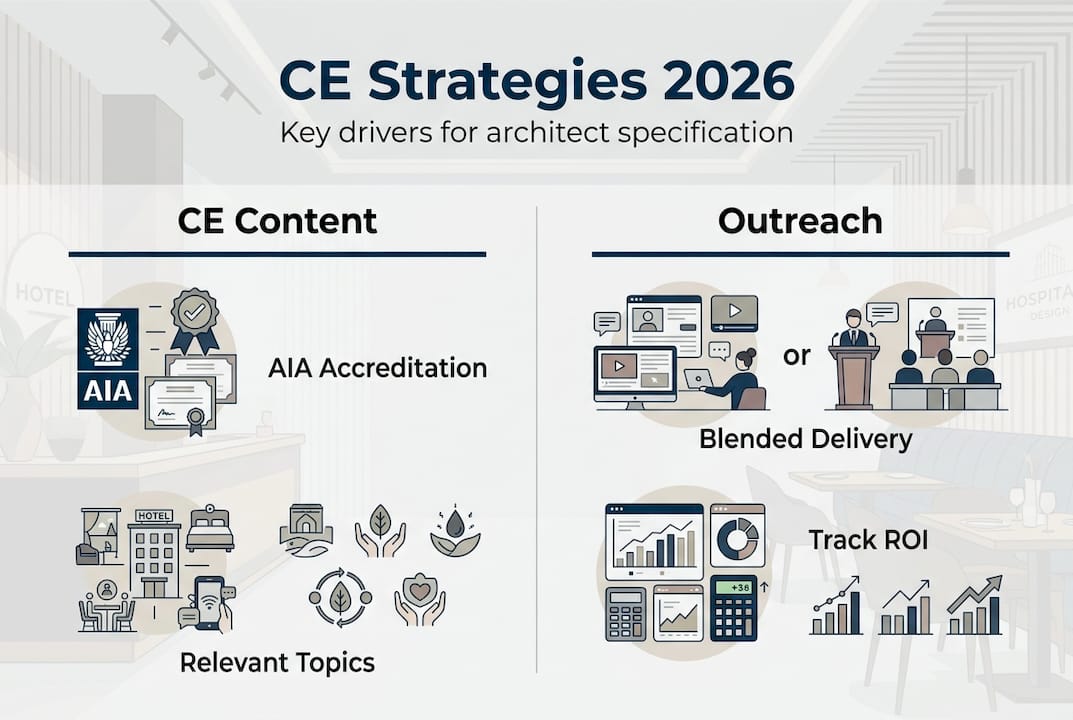
Key metrics to monitor include:
| Metric Category | Specific Measurements | Analysis Method |
|---|---|---|
| Attendance data | Registration rates, completion rates, geographic distribution | Compare across course topics and delivery formats to identify highest-performing content |
| Engagement quality | Questions asked, resource downloads, follow-up requests | Gauge genuine interest versus passive attendance |
| Specification outcomes | Products specified, project values, time from course to spec | Calculate revenue attributed to CE program |
| Program efficiency | Cost per attendee, cost per specification, ROI percentage | Optimize resource allocation across CE initiatives |
Feedback surveys immediately following course completion capture architect reactions while experiences remain fresh. Ask specific questions about content relevance, presentation quality, and likelihood to specify featured products. This qualitative data reveals improvement opportunities that pure attendance numbers miss, guiding content refinement for future courses.
Continuous optimization based on verified results separates effective CE programs from compliance theater. If a particular course topic generates high attendance but low subsequent specifications, the content likely fails to address genuine architect needs or position your products effectively. Conversely, topics with modest attendance but strong specification conversion deserve expansion and promotion.
The continuing education compliance guide ensures your tracking methods maintain accreditation standards while capturing business intelligence. Reporting requirements demand documentation of attendance, completion, and certificate issuance. Smart manufacturers extend this compliance infrastructure to also capture specification outcomes, creating dual-purpose systems that satisfy regulators while informing strategy.
Architect feedback often reveals unexpected applications for your products that marketing teams never considered. A lighting manufacturer discovered through post-course surveys that architects valued their products primarily for senior living applications rather than the hotel focus their marketing emphasized. This insight redirected content strategy toward senior living topics, dramatically improving specification rates within that vertical.
Optimization requires testing variables systematically:
- Course length: 45-minute sessions versus 60-minute deep dives
- Delivery timing: Lunch slots versus breakfast or evening options
- Content depth: Overview surveys versus technical specification details
- Follow-up cadence: Immediate resource delivery versus spaced repetition
Small changes in these variables can produce significant shifts in both attendance and specification outcomes. The manufacturers who treat CE as an iterative learning process rather than a one-time project build increasingly effective programs that compound competitive advantages over time.
Enhance your architect engagement with CEU Builder solutions
Implementing effective continuing education strategies requires expertise most hospitality manufacturers lack internally. CEU Builder specializes in transforming CE from compliance theater into specification engines, offering both done-for-you course development and self-service platforms for teams with internal capacity. Our accreditation guide for IDCEC providers walks you through the complex approval process, while our 100% first-pass accreditation rate eliminates the costly rejections that waste months and thousands in development costs.
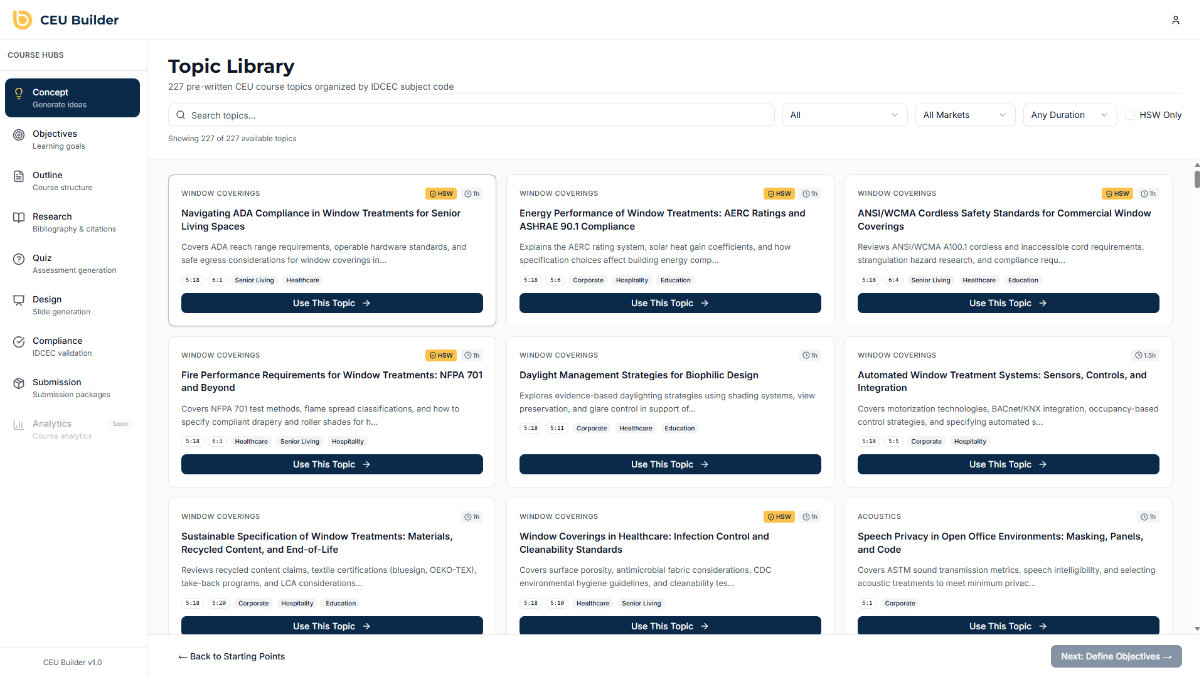
The IDCEC accreditation benefits extend beyond simple compliance, positioning your brand as an educational authority that architects trust for specification guidance. Our four to six week development timeline compresses the traditional 90 to 180 day process by 80%, getting your courses to market while topics remain current and competitive advantages stay fresh. Whether you need complete course creation or just submission management, our offering CEU courses solutions scale to your internal capabilities and strategic timeline.
How do I choose the best CE topics for hospitality architects?
How do I choose the best CE topics for hospitality architects?
Focus on accredited topics tied to hospitality materials, building code compliance, and energy efficiency that architects must specify correctly for hotel, restaurant, and senior living projects. Survey your existing architect customers about technical challenges they face, then align course content with these knowledge gaps while positioning your products as solutions. The continuing education tips for hospitality marketers reveal which topics generate highest completion rates and specification outcomes.
What digital tools best support architect engagement in CE programs?
What digital tools best support architect engagement in CE programs?
Email marketing platforms, LinkedIn paid media, and learning management systems form the core digital infrastructure for effective CE delivery. Integration between these tools enables automated registration, attendance tracking, certificate generation, and follow-up nurturing that converts course attendees into specification opportunities. The continuing education tools comparison evaluates platforms based on accreditation tracking, CRM integration, and analytics capabilities essential for measuring program ROI.
How can I measure the ROI of my continuing education efforts?
How can I measure the ROI of my continuing education efforts?
Track specification rate changes by comparing how many architects who completed your courses subsequently specified your products versus architects with no CE exposure. Establish baseline metrics before launching programs, then monitor shifts in specification frequency, project values, and sales cycle length over 6 to 12 months as educated architects move through project pipelines. The measuring continuing education ROI guide provides frameworks for connecting course completions to revenue outcomes while maintaining accreditation compliance.
How long does IDCEC accreditation typically take?
How long does IDCEC accreditation typically take?
Traditional IDCEC accreditation requires 90 to 180 days from initial application through final approval, assuming no rejections that force complete rebuilds. Manufacturers with expert guidance compress this timeline to 4 to 6 weeks through systematic compliance at every development stage. First-pass approval rates matter significantly because rejections add months of delay and thousands in wasted resource costs to your market entry timeline.
Recommended
